Book Lover – A Designer’s Honest Take Before You Stitch
As an embroidery designer who has spent years testing digital files on everything from delicate baby onesies to thick canvas totes, I have learned to spot a design that will earn its keep under the needle versus one that only looks good on a screen. Book Lover caught my attention immediately because it promises exactly what so many of my clients ask for: a design that feels personal, warm, and instantly recognizable without screaming for attention. After stitching it across several projects, I want to share a practical, real-world evaluation of this embroidery file before you add it to your own craft business or personal project lineup.
First Impressions of Book Lover
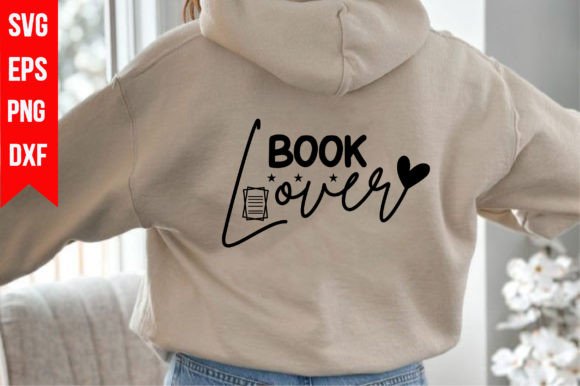
The moment I opened this machine embroidery design, I noticed its thoughtful composition. The design carries a quiet, literary mood that feels both cozy and sophisticated. The layout is balanced without being stiff, and the detail level is generous enough to give the design personality but restrained enough to stitch cleanly on most fabrics. If you work with custom apparel or personalized gifts, you know that the best designs leave room for the recipient to feel something. Book Lover does exactly that. It feels like it belongs on a well-loved library tote, a book club sweatshirt, or a thoughtful gift for a fellow reader. The visual personality is warm, approachable, and quietly proud — the kind of design that makes someone smile without being overly cute or trendy.
Because this file falls under T-Shirt Designs and Graphics, it is naturally suited for apparel, but I quickly saw that its potential stretches far beyond a basic tee. The design reads well at a modest size, and the theme is universal enough to work across age groups and settings. Before you commit to a project, however, you need to know how it behaves under real stitching conditions.
A Real-World Test: The Custom Tote Bag Project
I decided to test Book Lover on a project I often recommend to Etsy sellers and small shop owners: a custom embroidered tote bag for a client who is a librarian. The client wanted something professional but personal — a bag she could carry to work, to book signings, and to weekend market trips. I chose a mid-weight cotton canvas tote in a warm cream color. The fabric had a tight weave with minimal stretch, which is ideal for most embroidery files. I hooped the bag carefully, used a medium-weight cutaway stabilizer, and selected thread colors that would pop without overwhelming the design.
The first stitch-out was clean. The satin stitch edges held their shape, and the fill stitch areas smoothed out evenly without puckering. I appreciated that the design did not crowd too many elements into a small space. The stitch density felt appropriate for the fabric weight, and I did not need to adjust tension or slow down the machine. The finished result looked like a boutique product, not a homemade afterthought. The client later told me she received multiple compliments on the first day, and one colleague asked if she could order a similar bag. That kind of reaction tells me Book Lover has real commercial potential for anyone running a craft business or selling handmade products.
How Book Lover Performs Across Different Products
Because I run a small production studio, I test every design across multiple product categories before I recommend it to clients. Here is how Book Lover performed in different settings:
- Sweatshirt embroidery: The design stitched beautifully on a mid-weight fleece sweatshirt. The slightly thicker fabric absorbed the stitches well, and the design sat flat without distorting. I would confidently use this on any fleece or French terry garment.
- Baby embroidery: I tested it on a soft organic cotton onesie. The design is not overly large, so it fit well on the front chest area. I used a light tear-away stabilizer and a smaller hoop. The stitches held cleanly, and the design felt soft against the fabric. This would make a lovely gift for a new parent who is a reader.
- Embroidered patch: I stitched Book Lover onto heavy felt to create a patch. The satin stitch border sewed well, and the patch kept its shape after trimming. This is a great option for Etsy sellers who want to offer sew-on or iron-on patches as a separate product.
- Pillow cover and kitchen towel: Both home decor items stitched without issue. The design is durable enough for items that will be washed regularly, provided you use proper stabilizer and recommend care instructions to your customers.
- Cap and hat: I tested it on a curved baseball cap. The design required careful hooping and a curved hoop attachment. The detail level held up, but I recommend keeping the design size moderate on caps to avoid distortion around the brim curve.
If you are a digital product seller or a creative entrepreneur who sells finished items at craft fairs or online, Book Lover offers the versatility you need to create a small collection of products around one theme — from holiday embroidery gifts to everyday personalized gifts.
Where to Approach with Caution
No design is perfect for every surface, and Book Lover has a few limitations you should consider before stitching. If you are working with a small hoop size, you may need to reduce the design, which could cause small details to lose clarity. The design has some delicate elements that benefit from a stable fabric base. Textured fabrics like heavy knits or bouclé may cause uneven stitch coverage, so test on a scrap first. Thin fabric or stretchy fabric may require additional stabilizer to prevent the stitches from pulling or puckering. I also recommend caution with dark fabric if you plan to use light thread colors — the contrast can be striking, but you may need a white underlay to keep the colors bright. Layered garments like jackets with thick seams may need extra hooping attention. And if you plan to stitch the design on items that see frequent washing, like kitchen towels or baby blankets, remind your customers to turn the item inside out and use a gentle cycle to preserve the thread.
Visual Appeal and Product Value
One of the strongest qualities of Book Lover is how it elevates the perceived value of a product. In my experience, customers respond to designs that feel thoughtful and intentional. This design looks like something you would find in a boutique or a specialty gift shop. It builds customer trust because it signals that you care about detail. When you offer finished products with this design, whether as a personalized gift or a standard item in your shop, the handmade presentation feels professional. The design is also highly giftable — it suits birthdays, holidays, graduation presents, and thank-you gifts for teachers, librarians, or anyone who loves to read. Because the theme is widely relatable, it has strong buyer engagement potential. I have seen similar designs sell well in printable mockups and as design assets for other makers. If you sell digital embroidery files, Book Lover is a strong addition to your catalog for readers and literary-minded customers.
Practical Notes from the Hoop
Before you stitch your first project with Book Lover, here are the practical tips I gathered from my own testing:
- Test on scrap fabric first. Every machine and fabric combination behaves differently. Stitch the design on a piece of similar fabric before your final product.
- Check thread color contrast. Because the design has both fine lines and filled areas, choose thread colors that distinguish the elements clearly. A monochrome look works beautifully, but so does a two-tone palette.
- Review stitch density. If the design feels dense in certain areas, use a stabilizer that can handle the coverage. For most medium-weight fabrics, a cutaway stabilizer is a safe choice.
- Confirm hoop size. Since the product details do not specify exact hoop dimensions, measure the design in your software and compare it to your available hoop sizes before starting.
- Inspect small details. Zoom into the design on your screen and look for any narrow gaps or fine lines that might not stitch cleanly at smaller sizes. If you plan to use a reduced scale, test it first.
- Test in black and white mockups. Viewing the design without color helps you evaluate its structural clarity. If it reads well in grayscale, it will likely read well in thread.
- Compare light and dark fabric backgrounds. The same design can look dramatically different on a white tote versus a navy sweatshirt. Stitch samples on both to see which version you prefer.
- Use proper stabilizer. For stretchy or lightweight fabrics, consider a sticky stabilizer or a water-soluble topping to keep stitches crisp.
- Check licensing before selling. Since the product description indicates the design can be used for many purposes including monogram making, verify the license terms for commercial embroidery use. If you plan to sell finished products or the digital file itself, make sure your license covers that.
- Consider the end user. If you are stitching for a client, ask about their fabric preference and washing habits. A design that works on a decorative pillow may need different handling on a daily-use tote.
Final Thoughts on Book Lover for Your Craft Business
After working with Book Lover across multiple projects, I can say with confidence that this is a design worth adding to your active rotation. It offers the kind of versatility that apparel decorators and small business owners need to serve a range of customers without constantly searching for new files. Whether you are stitching custom apparel for a book club, preparing holiday embroidery gifts for family, or building a product line for your Etsy seller shop, Book Lover delivers a polished result that customers notice and appreciate. It is not a flashy design, and that is exactly its strength. It feels real, wearable, and timeless. For any machine embroidery design to earn a permanent spot in your studio, it needs to perform reliably, adapt to different surfaces, and connect with people on a personal level. Book Lover does all of that. Test it on your own equipment, pair it with thoughtful fabric and thread choices, and I believe you will find it becomes one of those designs you reach for again and again.