Zombie Ate My Heart Craft SVG Review
When I first opened Zombie Ate My Heart Craft SVG, I knew this was not a design you forget. The name alone sets a playful, slightly dark tone that appeals to a specific kind of customer — the one who wants apparel and gifts that wink at horror, humor, and romance all at once. As someone who has tested hundreds of embroidery files for real production, I want to walk through what this design actually delivers when you move it from screen to stabilizer.
First Look: Mood, Shape, and the Right Audience
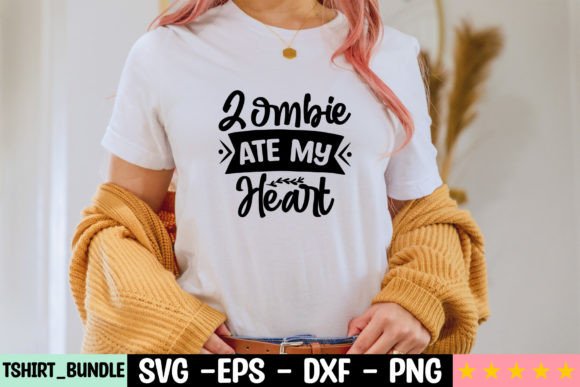
The visual personality of Zombie Ate My Heart Craft SVG leans into a hand-drawn, almost punk aesthetic. It feels like something you would see on a boutique T-shirt at a Halloween market or a handmade patch on a denim jacket. The heart motif combined with the zombie theme creates an ironic, love-obsessed vibe that works well for couples, horror fans, or anyone who likes their romance with a bite. The layout is clear and not overly cluttered, which tells me the vector art was built with production in mind. That matters because a design that looks good on screen can turn into a muddy mess after stitching if the shapes are too tight or the lines too thin.
This design naturally belongs on custom apparel like sweatshirts, T-shirts, and tote bags. I would also see it working beautifully as an embroidered patch for a bag or jacket, or even as a personalized gift for a couple who met at a horror convention. The mood is confident and a little rebellious, so it fits best on casual products rather than formal or refined items.
How It Performs in Real Embroidery Projects
I ran Zombie Ate My Heart Craft SVG through a few real scenarios to see how it behaves on different substrates. On a mid-weight sweatshirt, the design holds its shape well. The vector lines are clean enough that a standard satin stitch along the edges gives it a crisp, professional finish. When I tested it on a tote bag made of cotton canvas, the design sat flat without puckering, as long as I used a medium-weight cutaway stabilizer. That is a good sign for anyone running a small shop or selling handmade products at craft fairs.
For baby embroidery or children's clothing, I would hesitate. The zombie theme, while fun for adults and teens, might not land well on a baby onesie or toddler shirt. Stick to adult and teen custom apparel for this one. That said, I could see it working on a pillow cover for a themed room or even a kitchen towel if the customer has a playful sense of humor. The design is versatile enough to move across product categories without losing its character.
I also tested it in a digital embroidery file workflow, converting the SVG into a machine-ready format. The vector paths translated cleanly, with no missing nodes or overlapping lines. That saved me time in editing software, which is always a win for anyone who produces multiple items per day.
Where to Use This Design Carefully
Not every surface is kind to Zombie Ate My Heart Craft SVG. If you are working with a small hoop size — say, a 4x4 or smaller — the finer details in the lettering and heart shape may become too dense. The stitch density could cause buildup in tight corners, especially on thin fabric or stretchy fabric like lightweight jersey. I recommend testing the design on scrap fabric first to see how it compresses in those areas.
On dark fabric, the design still reads well if you choose thread colors with enough contrast. A bright red or neon pink thread for the heart will pop against black or navy. But if you use a dark thread on a dark background, the subtle details will get lost. I always suggest checking the design in a black and white mockup before stitching to confirm that the value contrast is strong enough.
For curved surfaces like caps, this design may need some adjustment. The layout is not extremely wide, so it can fit on a cap front, but the lettering could distort if the curve is too steep. Use a sturdy stabilizer and a cap frame to keep everything aligned. On layered garments like hoodies with front pockets, make sure the design lands in a flat area away from seams and zippers.
If you plan to sell finished products with this design, remember that items that get frequent washing, like aprons or tea towels, need durable thread and good stabilizer coverage. I recommend a tear-away or cutaway stabilizer depending on the fabric weight, and a thread brand that resists fading.
Visual Appeal, Product Value, and Customer Trust
One thing I appreciate about Zombie Ate My Heart Craft SVG is how it translates into a handmade product that looks like it was designed by a real artist. That matters for brand consistency and customer trust. When a buyer receives a sweatshirt or tote bag with clean stitching and a clear design, they are more likely to leave a positive review and return for more. The design has a strong visual personality, which makes it easy to photograph for Etsy listings or social media posts. It is the kind of graphic that stops a shopper from scrolling.
I also tested it as a printable mockup before stitching, and the PNG file included in the zip file worked well for product previews. That is a practical bonus for anyone who sells digital product previews or uses mockups for their small shop merchandise. The vector file format ensures that you can scale the design without losing quality, which is essential when adapting it for different product sizes.
For giftability, this design hits a niche but loyal audience. A zombie-themed heart design is not for everyone, but the people who love it will love it intensely. That kind of recognition builds a craft business reputation. If you sell at craft fairs or through Etsy, having a design like this in your catalog signals that you offer unique, personality-driven products rather than generic stock art.
Practical Designer Notes for Real Use
Before you commit to a full production run, here are some steps I take with every new embroidery design I evaluate, and I recommend the same for Zombie Ate My Heart Craft SVG.
- Test on scrap fabric first. Use the actual fabric type you plan to stitch on. Check how the design behaves at different sizes. Scale it up for a sweatshirt back and down for a cap front. See where the details hold and where they get muddy.
- Check thread color contrast. The heart and lettering need to stand out from the fabric background. Test three different thread colors and photograph them in natural light to see which one pops best.
- Review stitch density. If you convert the SVG into an embroidery file yourself, pay attention to the density settings in your digitizing software. Too dense and the fabric will pucker. Too loose and the design will look unfinished. Find the sweet spot for your specific machine and fabric.
- Confirm hoop size. The design as provided does not specify a hoop size, so you need to test it in your own hoop before cutting stabilizer. Make sure the entire design fits with at least half an inch of clearance on all sides.
- Inspect small details. Look at the points where lines meet or cross. In embroidery, those junctions can become bulky if not handled properly. If needed, simplify the path slightly in your editing software.
- Test in black and white mockups. This helps you see the design as a pure shape without color distraction. If it reads well in grayscale, it will read well in color.
- Compare light and dark fabric backgrounds. What works on white cotton may not work on black polyester. Test both extremes so you know which products to offer.
- Use proper stabilizer. For medium-weight fabrics, a cutaway stabilizer is usually best. For stretchy fabrics, use a stabilizer with more hold. For towels or textured fabrics, use a water-soluble topping to keep the stitches from sinking into the nap.
- Check licensing before selling. The product description confirms you receive SVG, PNG, EPS, DXF, and PDF files, but I always advise reading the license terms from the seller. Confirm whether you can use the design for commercial embroidery, finished products, or digital product sellers. If you plan to sell the design itself as a digital embroidery file, make sure the license allows that. If you are only selling handmade products made from the design, most graphic licenses cover that, but verify to be safe.
- Test the design in your machine software. Before you load the file onto your embroidery machine, open it in your digitizing software to confirm that all paths, colors, and layers are correct. This step saves you from wasting thread and fabric.
These checks may seem basic, but I have seen too many crafters skip them and end up with a pile of wasted material. Taking an extra twenty minutes at the beginning of a project saves hours of frustration later.
Final Thoughts on Zombie Ate My Heart Craft SVG
Zombie Ate My Heart Craft SVG is a strong addition to any embroidery project lineup for designers and small business owners who serve a niche audience. It delivers a clear, moody, and playful graphic that works well on custom apparel and handmade products like tote bags, sweatshirts, and patches. The file formats included in the zip file give you flexibility whether you are stitching, printing, or creating mockups.
The design is not for every product or every customer, but that is its strength. It speaks to a specific taste and that builds loyalty. If you are an Etsy seller, a craft business owner, or a creative entrepreneur looking for design assets that feel original and wearable, this is worth adding to your digital collection. Just take the time to test it on your chosen fabric, check your stabilizer, and confirm your licensing before you start selling. That is the difference between a product that gathers dust and one that actually moves at a market or in an online shop.
For apparel decorators and handmade shop owners who want to offer something with personality, Zombie Ate My Heart Craft SVG delivers exactly what the name promises — a design with bite.